Insurance Aircraft Salvage - We all know that there are risks involved in owning and operating an aircraft. Comprehensive airline insurance offers great protection against that risk. We hope you never find yourself in a situation that puts your airline insurance to the test. But if you are at risk of property damage or injury, you need to understand how the airline claims process works.
Most airline insurance policies cover two types of claims: those related to physical damage to the aircraft covered and those resulting from liability for damage to the aircraft's property. The information may change from one program to the next. In this article, we will take a closer look at physical injuries.
Insurance Aircraft Salvage
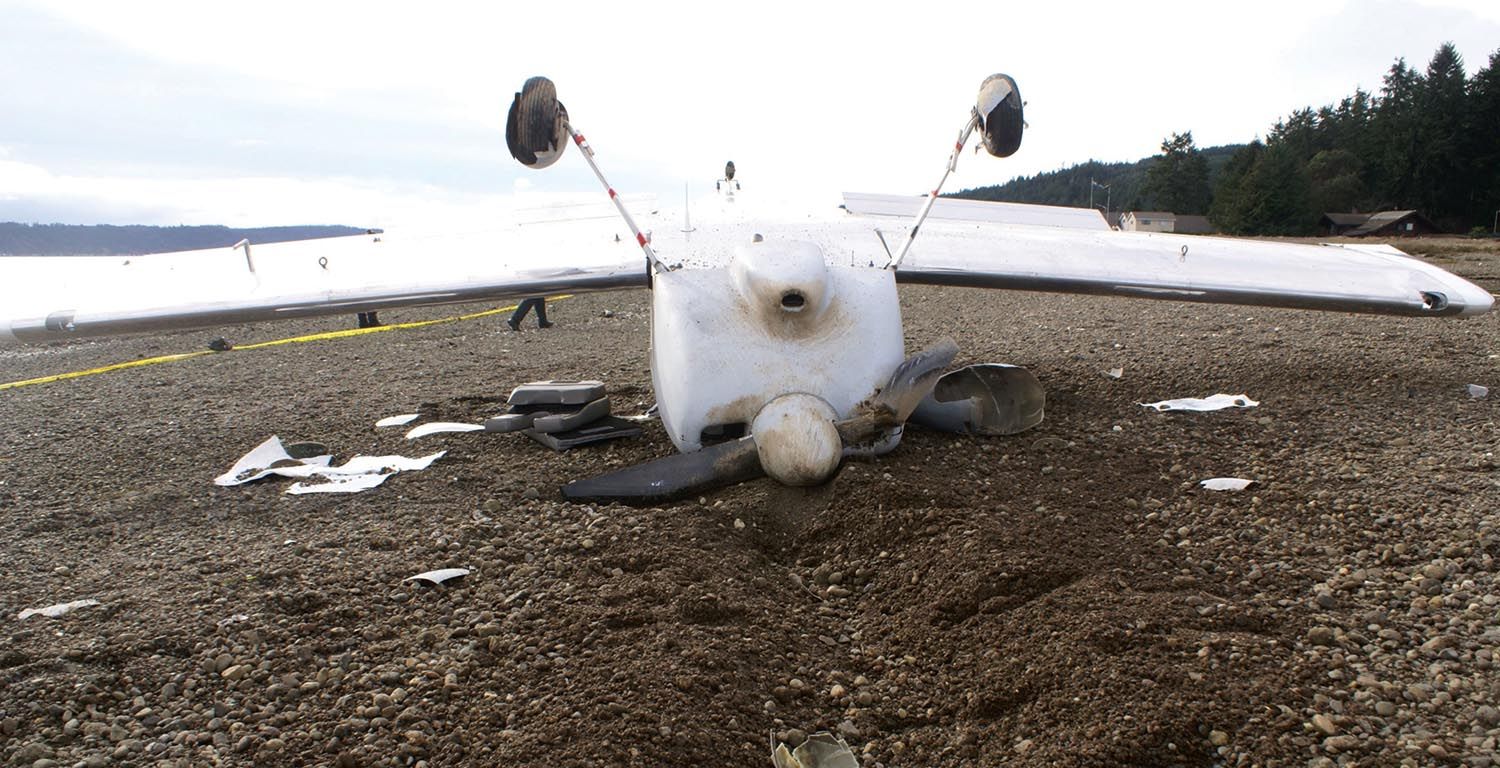
Liability can arise from many of these incidents, causing damage not only to the insured aircraft but also to third-party property. Examples include hitting a runway light, colliding with a hangar or airplane ramp, jet wash and prop wash, or something similar to spray.
Not Your Typical Junkyard
Yes, a plane crash that causes harm to passengers on the plane, people on the ground or even on another plane is a serious matter.
Because every incident or plane crash is different, it is important to know the rules of your insurance and how to find an insurance provider involved in your defense.
In the event of an aviation accident or accident causing damage to the insured aircraft, the procedure for investigation is as follows:
First step: Immediately after the incident or accident. First, get help for anyone who is injured. As soon as possible, contact the insurance broker or insurance provider directly to notify them of the loss and plan next steps. It is also important to protect the aircraft from further damage.
Tailwheels: Checkout And Owning
Step 2: Gather driver information. Take steps to keep copies of driver's licenses and logbooks, medical certificates, logbooks, and all other airline documents. In addition to cooperating with any investigative agency such as the FAA or NTSB, the insurance provider may require you to complete an incident report detailing the relevant information.
Step Three: You and the insurance provider begin the process of determining whether the aircraft can be economically repaired. Repair requests may be required to determine if the damage is repaired or if the aircraft is lost altogether. A number of factors, including the insurable value of the aircraft, the difficulty of repairs, and other legal issues may come into play.
Step Four: If the flight is fixed, you give the maintenance permission to fix it. Almost all laws cover the cost of repairs with "goods of the same type and quality". In other words, the goal of repair is to return the aircraft to its pre-crash condition.
Step 5: When the final settlement amount is determined, the insurance provider calculates how much they will pay you. You can use that payment, along with your payment for any deductibles or expenses, to pay for the repair facility, after which the plane will be returned to your home. Most of the time, the process ends.
End Of The Line: Bizjets To Beer Cans
Step Six: If the damage causes a total loss of the aircraft, the insurance provider will pay the insured value, less any deductible. The policy explains how the loss will be paid and usually requires that you and other named people be included in the payment. The insurer benefits from the residual value after all losses have been paid. Within practical economic constraints, airline preferences can be considered as part of a financial settlement agreement. You must work with your insurance provider to complete the transaction through an FAA Aircraft Sales Invoice and an insurance document known as a Proof of Loss used to document the transaction.
You and your insurance provider have a common goal when it comes to handling airline claims: to resolve claims quickly to the satisfaction of the parties under the terms and conditions of the insurance policy. Here are some tips for managing the complaints process:
Review your airline insurance information regularly to ensure that you have a broad understanding of the best insurance coverage for you.
Report events immediately. The longer the time between the event and the start of the claim process, the more difficult and time-consuming it is for the insurance provider to research and perform an accurate statistical analysis.
Chalk Plane Icon Isolated On Black Background. Flying Airplane. Airliner Insurance Stock Vector
View your relationship with an insurance provider as a partnership. The aim of the insurance provider is to provide quick and efficient processing and settlement of claims, in accordance with the terms and conditions of the policy. Your cooperation makes the process more efficient.
Understand the concept of "kindness and kindness" when it comes to making amends. The goal of maintenance is not to make the aircraft "like new," but to return it to its original condition before the crash. Also, conditions found during repairs that are not a direct result of damage during the crash may not be covered under the policy. During the repair, stay close to the repair facility and the creditor to fully understand what repairs will be returned under the law.
Remember the fact that a serious accident can happen. Make sure that anyone who may be involved in managing your belongings, such as a spouse, family member or business associate, knows where to find important information about your flight (for example, airline logbooks) and your insurance. Also, think a little about booking your flight to make it as easy as possible for your loved one to catch up.
Make sure that anyone you allow to operate the aircraft is properly trained and licensed to do so and that they meet the requirements of your insurance policy.
What To Do If You Crash An Aircraft
Use technology like your smartphone camera and a digital document to capture and share case information with your insurance provider.
Your insurance provider's top priority should be to handle your flight loss properly and efficiently so that you can receive the right benefits in a timely manner. Treating these interactions as a partnership is the best way to achieve satisfactory results.
To learn more about our aviation and aerospace insurance services, including non-aeronautical insurance, please contact Global Aerospace or your insurer at your convenience.
The cost of airline insurance, like all insurance, is risk-driven. The higher your risk associated with the event, the higher your premium will be. The good news for aircraft owners and operators is that you can take steps to show the insurer reviewing your claim that you are not at risk. In doing so, you can "get" a better premium.
Sutton Aircraft Salvage
Having the right aviation insurance is very important for light aircraft owners. Equally important, however, is a thorough understanding of what your policy provides and what it does not.
Aircraft appraisal online, free aircraft appraisal, aircraft appraisal services, aircraft appraisal cost, aircraft appraisal jobs, aircraft appraisal course, aircraft appraisal training, business appraisal, rolex appraisal, appraisal software, 409a appraisal, aircraft appraisal report
Post A Comment:
0 comments so far,add yours